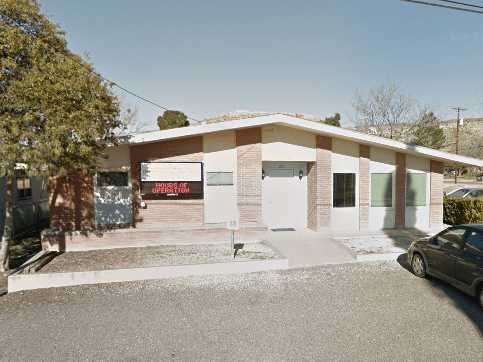
Terrell County didn’t just lose a clinic; it walked away from the seniors who depended on it, made big promises about replacement “medical pods,” and then quietly let everything die on the vine while money questions lingered in the background.
From Frontier Medicine to a Real Local Clinic
Sanderson has always lived with distance. For most of its history as a railroad town and county seat, people got by with whatever doctor or nurse happened to be in town, plus long trips to bigger places when things were serious. That’s the reality of a remote West Texas community: everyday care was local and limited, and real hospital treatment meant an hour or more on the highway.
Over time, that started to change. Terrell County promoted the Cactus Health Clinic/Sanderson Rural Health Center as a selling point: open five days a week with a full‑time doctor on staff, giving residents, especially older folks, a real place to go for basic care without leaving town. For a community of fewer than 800 people, having an actual clinic under the umbrella of Pecos County Memorial Hospital District was a big deal. It meant chronic conditions could be managed, prescriptions refilled, and minor issues handled in Sanderson itself.
Discover Sanderson, Texas Government Services
The County Shuts the Clinic Down
Then the county pulled the plug. Terrell County shut down the Sanderson clinic arrangement, even though Pecos County Memorial Hospital District in Fort Stockton was providing that service at a fair, rural‑clinic price as part of its broader critical‑access mission. Overnight, the town went from having a real local medical lifeline to having nothing permanent.
Instead of admitting that they were simply cutting a vital service, county officials talked up a new idea: modular medical “pods” that would supposedly replace or even improve on the clinic. These pods were presented as the modern solution—flexible, efficient, the future of rural care. Years later, there are no pods sitting in Sanderson. The promise never materialized. The county closed the clinic, talked about high‑tech replacements, and then just didn’t deliver.
Seniors Left With an Hour‑Away “Close” Hospital
The people hit hardest by this are Sanderson’s seniors. In a county this small, a huge share of residents are older, living on fixed incomes and relying on nearby, familiar medical care. When the clinic was open, seniors could walk or get a short ride across town for checkups, labs, and medication management. Once the clinic shut down, those same seniors were told their “close” option is Pecos County Memorial Hospital in Fort Stockton, an hour away on the highway.
For a younger person with a reliable vehicle, an hour drive is an inconvenience. For an 80‑year‑old with limited mobility, no car, or poor eyesight, that “close” hospital might as well be on the other side of the state. Routine care becomes a logistical nightmare. Urgent problems that could have been handled locally turn into long transports and higher risk. And the costs; fuel, lost time, sometimes needing a driver or overnight stay—pile up on people who can least afford them.
In plain language: the county shut down a clinic that our seniors depended on, promised fancy medical pods, and left them with nothing in town and an hour‑away hospital that doesn’t function as real access for the people most in need.
Money Questions and Broken Trust
All of this sits on top of a broader problem: Terrell County’s reputation for shaky money management. With a population under 800 and limited tax base, every public dollar matters, yet the county has been the subject of audits, resignations, and allegations about mishandled funds, even talk of possible embezzlement. Those accusations were never fully aired out in a clear public way and seem to have been quietly brushed under the rug. People hear about “missing money” or “funny business,” and then nothing is resolved in plain view.
Put that together with the clinic story and you get a pattern that’s hard to ignore:
- The county had a fair‑priced clinic contract through Pecos County Memorial Hospital District.
- It chose to shut that clinic down instead of protecting one of the few essential services our seniors actually relied on.
- It promised medical pods as a replacement, but those never appeared.
- At the same time, rumors and allegations swirl about mishandled money and potential embezzlement, with no clean public resolution, just silence.
For ordinary residents, especially older ones, the message is simple: you lost your clinic, you didn’t get the pods, and you’re supposed to trust a county government that can’t seem to explain where the money is going or why essential services disappear.
What This Means for Sanderson Today
Today, Sanderson’s medical reality is blunt:
- No permanent local clinic like the one that used to sit at 213 Persimmon or operate five days a week with a full‑time doctor and/or nurse.
- Limited, event‑based services at the courthouse or through outside programs, which are not a substitute for day‑to‑day care.
- A “nearest hospital” in Fort Stockton that is about an hour away and effectively out of reach for many seniors without reliable transportation.
- A county history of financial controversy that makes residents question whether cutting the clinic and dropping the pods was about saving money, hiding problems, or simply not caring enough to fight for better options.
Sanderson’s story of medical services is not just about rural distance; it’s about choices. The county had a functioning clinic. It chose to end it. It promised something better. It failed to deliver. And in a town full of seniors, that failure is not abstract, it’s written in long drives, missed appointments, delayed diagnoses, and a quiet feeling that the people who run Terrell County are more willing to brush problems under the rug than to fix them.